The Hidden Engine of Community Growth (And What Happens When One Part Breaks Down)
Every community has an economy. Not every community has economic development.
The difference sounds subtle. It isn’t. An economy is what exists — the businesses operating, the jobs available, the tax base that funds services, the infrastructure that’s there or isn’t. Economic development is the intentional work of shaping what that economy becomes. It’s the decisions made — or not made — that determine whether a community is building toward something or slowly losing ground.
In many communities, we see the same problem: communities investing real energy and resources into economic development without a clear map of what they were actually trying to build. They’d land a new employer and call it a win without asking whether the local workforce was ready for those jobs. They’d invest in workforce training programs without addressing the housing shortage that was making it impossible to attract the workers they were training people to become.
The engine has four parts. And they only work when they work together.
Business Attraction and Retention: Start With What You Have
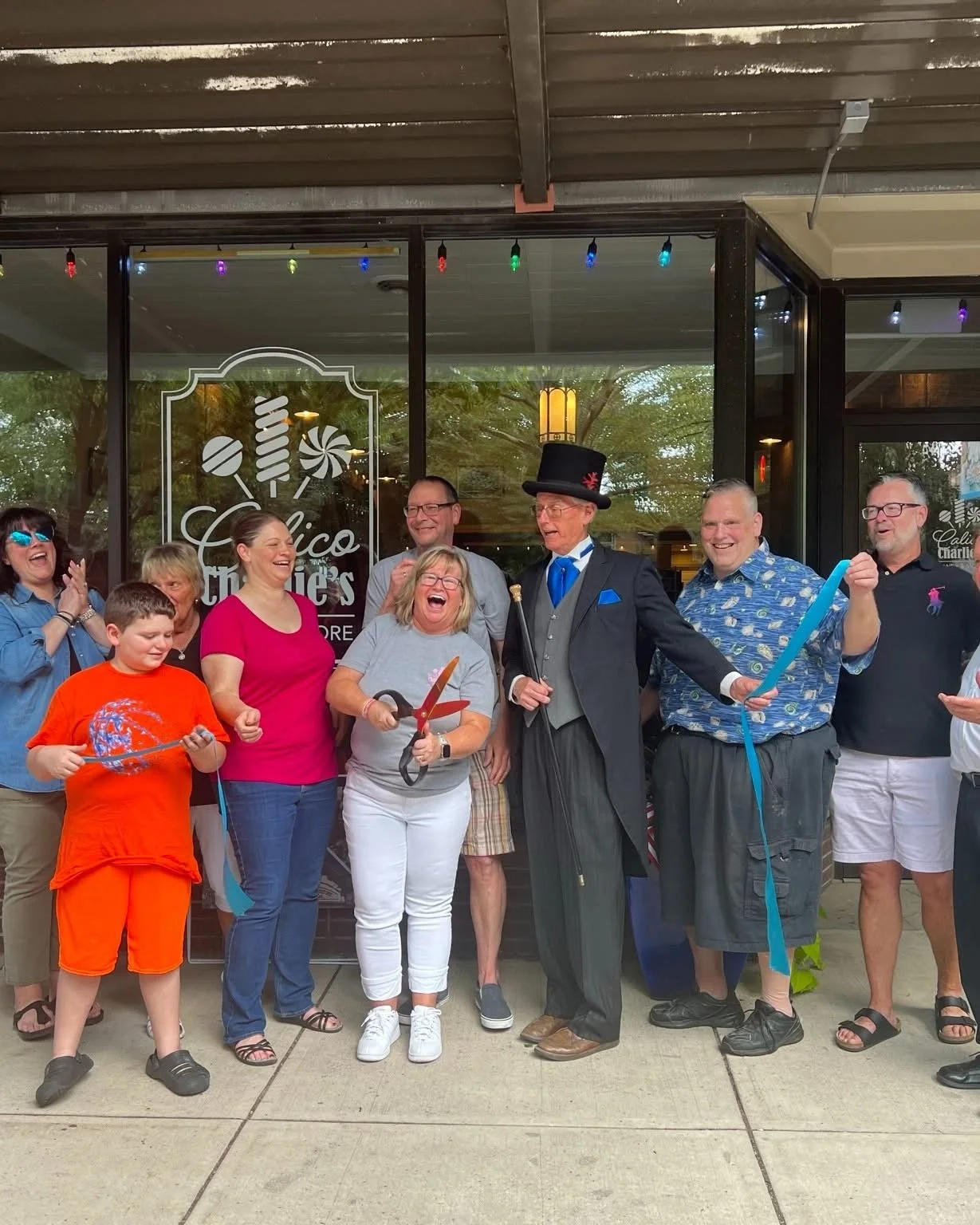
Here’s the uncomfortable truth about business attraction: most economic development strategies overinvest in it and underinvest in retention. Recruiting a new company to town is visible. It generates press releases and ribbon cuttings. Helping an existing business navigate a tough year, expand into a new market, or find the capital to add ten jobs doesn’t generate the same headlines — but it often generates more lasting economic impact.
The businesses already rooted in your community are your most reliable economic base. They employ local people. They spend locally. They have a history with the community and a reason to stay. A strategy that treats them as background while chasing new recruits is leaving real value on the table.
The most effective economic development strategies treat retention and attraction as equally important, and they build the infrastructure for both: removing the regulatory friction that makes it hard to operate locally, connecting businesses to capital and resources, and maintaining the kind of environment where an owner who could leave decides to stay and grow.
Workforce Development: The Asset That Changes Everything
If we had to pick one economic development investment that has the broadest downstream impact, it would be workforce development — and not just the kind that trains people for jobs that already exist.
The workforce development work that actually moves a community’s economy is forward-looking. It asks: what are the industries and employers likely to grow here in the next five to ten years, and what skills will those jobs require? Then it builds the pipelines — through community colleges, apprenticeships, high school career pathways, employer partnerships — to develop those skills in the people who are already here.
The other dimension of workforce development that doesn’t get enough attention is barrier removal. Training programs don’t work if people can’t get to them. Credentials don’t translate into jobs if returning citizens, immigrants, or people without transportation can’t access the opportunities. Real workforce development addresses the supply of skills and the barriers that prevent people from developing or deploying them.
When workforce development is working, it creates a compounding effect: more skilled workers attract more employers, more employers attract more workers, and the community’s reputation as a place where people can build a career starts to become a recruitment asset in itself.
Infrastructure: The Precondition Nobody Talks About
Ask a site selector what kills a deal before it starts and the answer is almost always infrastructure. Not incentives. Not tax rates. Infrastructure.
Reliable broadband. Road capacity that can handle increased traffic. Water and sewer systems that can support commercial growth. Adequate housing stock for the workforce an employer would bring. These are the preconditions for economic development — the things that have to be in place before any strategy for attraction or retention can work.
In rural communities especially, infrastructure gaps are often the most significant constraint on economic growth — and the hardest to close, because the projects are capital-intensive and the funding is complicated. But the communities that have made the investment — that have built out broadband, upgraded their utilities, developed spec buildings — consistently outperform similar communities that haven’t.
Infrastructure investment is a long game. It pays off in ways that are often hard to attribute directly to the investment. And it’s the kind of work that tends to get deprioritized because the return isn’t immediate. That’s exactly why it’s worth prioritizing.
Community Development: The Part That Makes People Stay
Here’s something site selectors don’t often say publicly but say constantly privately: employers follow talent, and talent follows quality of life.
The best workforce development strategy in the world doesn’t work if the people you’re training leave because they can’t find housing they can afford, or because the community doesn’t feel like a place they want to raise a family, or because there’s nothing to do on a Saturday afternoon.
Community development — the livability work of economic development — is the piece that makes everything else sustainable. Safe neighborhoods. A downtown that’s alive. Housing options at multiple price points. Parks, trails, cultural amenities, gathering spaces. These things aren’t soft extras. They’re the conditions under which people choose to stay, invest, and put down roots.
Economic growth that doesn’t make a place more livable for the people who already live there isn’t really growth. It’s just change.
Why They Have to Work Together
The reason we built the four-component framework in Blueprints for Prosperity is that we kept watching communities make progress on one or two pillars and wonder why the overall trajectory wasn’t changing.
• A community that invests in workforce training but has no housing for the workers it trains
• A community that attracts a major employer but has infrastructure that can’t support the growth
• A community with a beautiful downtown and no jobs to sustain it
• A community with great jobs and no quality of life to keep workers from leaving for somewhere else
Each of those is a real situation we’ve encountered. And in each case, the fix wasn’t more investment in the pillar that was already strong. It was addressing the weak link that was limiting the whole system.
Economic development isn’t a collection of independent initiatives. It’s a system. When all four components are moving together — even imperfectly — communities build the kind of momentum that compounds over time.
~ Renee & Sarah